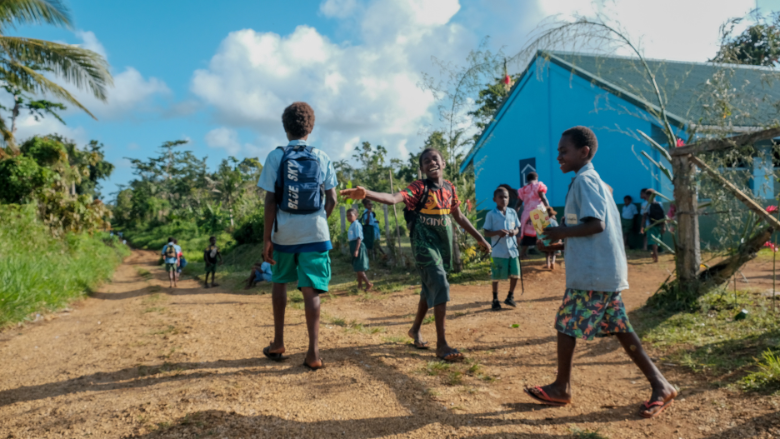
Understanding Vanuatu Schools: A Closer Look at Education in Paradise
Education in Vanuatu is essential for the nation’s development and prosperity. This small island nation in the South Pacific has a diverse culture and a rich heritage, both of which are reflected in its educational system. Despite facing several challenges, Vanuatu has made significant progress in improving its schools and educational resources. Among the various initiatives, projects focusing on vanuatu schools pacific education projects play a crucial role in transforming the educational landscape.
The Structure of Education in Vanuatu
The education system in Vanuatu consists of several levels: primary, secondary, and tertiary. Primary education typically lasts for seven years, while secondary education is divided into two cycles: the first cycle consists of four years and the second cycle lasts for two years. Although there are technical and vocational education options available, access to higher education often requires students to travel abroad or rely on limited local resources.
Early Childhood Education
Early childhood education is encouraged in Vanuatu, with a variety of pre-schools available in urban areas. However, the access to such programs in rural communities is limited. Non-government organizations and community-based initiatives have stepped in to establish early childhood education centers, which are vital for laying the foundation for lifelong learning. These centers help children develop essential skills, social awareness, and cultural understanding from a young age.
Challenges Faced by Vanuatu Schools
Despite efforts to improve the educational landscape, Vanuatu’s schools continue to face several challenges, including insufficient infrastructure, inadequate teaching resources, and a lack of qualified teachers. Many schools are located in remote areas where access to educational facilities is often difficult, leading to disparities in educational opportunities between urban and rural communities.
Infrastructure Issues
The physical condition of schools in Vanuatu can often be substandard. Many schools lack proper classrooms, libraries, and laboratories. In some instances, students learn in makeshift facilities that are not conducive to effective learning. Efforts have been made to address these infrastructure issues, but much work remains to be done to provide every child with a safe and effective learning environment.
Teacher Training and Quality Education
In Vanuatu, teacher training programs are crucial for enhancing the quality of education. Unfortunately, there are challenges in both the recruitment and retention of qualified teachers, particularly in rural areas. Many teachers lack the necessary training and resources to provide quality instruction. Initiatives aimed at teacher professional development and ongoing training are vital to improving educational outcomes in the country.

Curriculum and Language Considerations
The curriculum in Vanuatu reflects the country’s cultural diversity and bilingual nature. Instruction is often conducted in both English and Bislama, the national pidgin language. This bilingual approach aims to promote inclusivity, but it can also pose challenges, as not all students are proficient in both languages at the same level. Additionally, incorporating indigenous knowledge and traditions into the curriculum is essential for fostering cultural appreciation and relevance in education.
Government Initiatives and Partnerships
The Vanuatu government has recognized the importance of education in national development and has initiated various programs to enhance educational access and quality. These programs often involve partnerships with international organizations and NGOs focused on educational improvement. The government is committed to incorporating modern teaching methods and technology into schools, which could help bridge some existing gaps in educational access and quality.
The Role of NGOs and Community Involvement
Non-governmental organizations (NGOs) play an essential role in supporting Vanuatu’s educational system. They often implement community-based programs aimed at increasing school enrollment rates, providing training for teachers, and enhancing educational resources. Community involvement is also crucial, as local communities often mobilize to support schools and provide students with the necessary materials for learning.
Future Directions for Education in Vanuatu
Looking ahead, Vanuatu’s education system must address its challenges head-on. Increasing educational investment, improving teacher training, and enhancing school infrastructure are all vital components of a more robus

t educational framework. Additionally, further collaboration with international partners will be crucial in leveraging resources and expertise to drive sustainable improvements in education.
Conclusion
Education in Vanuatu is a reflection of the country’s rich cultural heritage and the tremendous potential of its people. While challenges remain, ongoing efforts to improve the educational landscape are paving the way for future generations. By investing in quality education and fostering inclusive learning environments, Vanuatu can work towards a brighter future, not just for its youth but for the entire nation.